Blog
Freezer Storage Times: The Complete Cheat Sheet

The freezer is the most underused money-saving tool in your kitchen. Most people shove food in, forget about it, and throw it out six months later when they find a mystery bag of something unidentifiable. That is not frugal. That is just a slow, cold trash can.
This guide covers exact freezer storage times for every major food category: meat, bread, cheese, vegetables, and cooked meals. Each one includes the best way to freeze it so nothing comes out with freezer burn, ruined texture, or wasted money. Follow these numbers and you will eat better, spend less, and never stand in front of the freezer wondering if something is still good.

❓ What Are Freezer Storage Times?
Freezer storage times are the maximum number of months a frozen food stays safe and holds good quality. That second part matters. Food kept past its recommended time is not going to put you in the hospital (as long as your freezer stays at 0°F or below), but it will taste bad. Dried out, discolored, rubbery, with that flat freezer-burn flavor nobody wants.
These numbers come from USDA food safety guidelines. They are not suggestions. Ignore them and you waste food you paid for. Use them and your freezer actually works for you.
━━━━━━ 💸 ━━━━━━
💖 Why Knowing Your Freezer Storage Times Changes Everything
Once you know how long things actually last, your whole grocery approach changes. Chicken goes on sale? You buy 10 pounds because you know you have 12 months to use it. Ground beef drops to $2.99/lb? You grab five pounds, split it into flat 1-pound packs, and you are set for four months. The freezer stops being a place where food disappears and starts being a system for buying low and eating well.
People who never stress about the grocery budget are not eating less. They are not clipping every coupon either. They are just buying meat when it is cheap and keeping it until they need it. That is the whole trick.
🥩 Meat Freezer Storage Times
Meat is where freezer strategy pays off the fastest. Most cuts hold up for the better part of a year, so buying on sale stops being a gamble and starts being a habit.
Beef (Steaks & Roasts): 6-12 Months
Steaks and roasts do great in the freezer as long as you wrap them right. Plastic wrap first, then aluminum foil or a freezer bag on top of that. The double layer keeps moisture in and air out. Freezer burn is just moisture loss, not a safety problem, but it will absolutely ruin a good cut of beef. Write the date on the package before it goes in.
Chicken (Whole or Pieces): 9-12 Months
Chicken has one of the longest freezer lives of any meat. The one thing that matters most: get the air out of the bag before you seal it. Stick a straw in, suck out as much as you can, then twist and seal fast. Or get a basic vacuum sealer if you freeze chicken more than once a month. Either way you are looking at close to a full year of quality storage.
Ground Meat: 3-4 Months
Ground beef, turkey, pork — whatever you are working with — has a shorter window than whole cuts. More surface area exposed during grinding means faster quality loss. Portion it into small, flat packs before freezing. Flat packs freeze faster, thaw faster, and fit better in a crowded freezer. A five-pound roll divided into 1-pound bags is actually useful. One giant frozen brick is not.
Pork (Chops & Roasts): 4-6 Months
Pork sits in the middle of the range. Chops and roasts both freeze well. Wrap tightly and put the date on it. Pork picks up off-flavors faster than beef when air gets to it, so the double-wrap step is not optional here.
🍞 Bread & Buns Freezer Storage Times
Bread is basically made for the freezer and most people never use it that way. Instead they let it sit on the counter and go stale. Stop doing that.
Bread (Loaves): 3 Months
A whole loaf goes right into the freezer in its original bag. Squeeze the air out, twist it closed tight. Freeze fresh, thaw at room temp. It takes 2-3 hours on the counter and comes out tasting like the day you bought it. When bread goes on sale, buy three loaves and freeze two. That is a full month of bread at sale price.
Buns & Bagels: 2-3 Months
Slice them before they go in the freezer. This sounds like a small thing but it matters at 7am when you are half-awake and a frozen-solid unsliced bagel is not cooperating. Pre-sliced, everything goes straight from the freezer bag to the toaster. Three minutes and done. Hamburger buns, hot dog buns, everything bagels — all freeze fine.
🧀 Cheese Freezer Storage Times
Cheese is worth knowing upfront: freezing changes the texture. Thawed cheese crumbles more than fresh cheese. For cooking that does not matter at all. For a cheese plate it does. Know what you are using it for before you decide whether to freeze it.
Hard Cheese (Cheddar, Parmesan): 6 Months
Hard cheeses hold up well. Wrap tightly in plastic wrap or wax paper, then add foil or a freezer bag. Grating before freezing is worth the extra five minutes if you mostly cook with it. Frozen pre-grated cheddar or parmesan in a bag means you just shake out what you need. No thawing, no extra dishes, no block of cheese going dry in the fridge.
Soft Cheese (Brie, Camembert): 1-2 Months
Soft cheeses freeze for a shorter stretch and come out softer. Wax paper first, then foil. The wax paper keeps the rind intact and keeps the foil from bonding to it. Do not freeze brie planning to serve it fresh after thawing. Use it for baked dishes, melted into a dip, or tucked inside pastry where the texture change does not show.
🥦 Vegetable Freezer Storage Times
A bag of frozen vegetables you prepped at home from produce bought on sale can beat “fresh” vegetables that spent a week sitting under fluorescent lights at the grocery store. The difference is one extra step most people skip.
Vegetables (Most Varieties): 8-12 Months
Broccoli, green beans, carrots, corn, peas, peppers — almost any vegetable freezes well, but you have to blanch them first. Toss them in boiling water for 1-3 minutes depending on the vegetable, then move them immediately to an ice bath. That stop-cooking step deactivates the enzymes responsible for color loss, mushy texture, and nutrient breakdown during long freezer storage. Skip blanching and your broccoli comes out grey and soft eight months later. Do it right and it comes out looking and tasting like you meant it.
Leafy Greens (Spinach, Kale): 10-12 Months
Spinach and kale actually have impressive freezer lives. Wash and dry them well, pack tightly into bags, and pull out as much air as you can. Frozen greens are not going back into a salad after thawing — the texture is soft after freezing. But for smoothies, scrambled eggs, soup, pasta, and stir-fry? Perfect. Buying a big bag of spinach on sale, blanching it, and freezing it in portions is one of the more cost-effective moves you can make on a tight grocery budget.
🍲 Cooked Meals & Prepared Food Freezer Storage Times
Cooked Meals (Soups, Casseroles, Pasta Dishes): 2-3 Months
Prepared meals have the shortest freezer window in this whole guide, but they are also the most immediately useful thing you can freeze. A freezer with six ready-to-heat meals in it means you do not order pizza when you are exhausted on a Tuesday. That is $40-$60 back in your pocket every single time you would have otherwise caved.
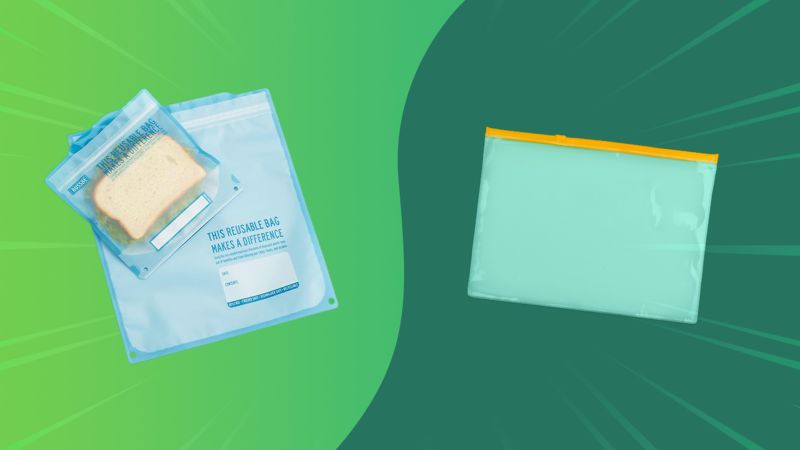
Two things matter here. Cool the food completely before it goes into the freezer. Putting a hot casserole in the freezer raises the internal temp of the whole compartment and can partially thaw things around it. Second: use actual freezer-safe containers. Not every plastic container is rated for freezer temps. Check the label. Glass works well with an inch of headspace left for expansion. Heavy-duty zip bags laid flat are great for soups and stews — they stack efficiently once frozen solid.
Freeze in the portion size you actually eat. A whole pot of soup in one container means defrosting the whole pot. Freeze it in two-serving portions and you pull out exactly what you need.

💡 Expert Tips for Best Freezer Results
Always label with the date. Not just the food name. The date. “Ground beef” is useless six months from now. “Ground beef 10/15” tells you exactly where you stand. Freezer tape and a permanent marker live next to my freezer bags. One roll of tape costs $2 and lasts a year.
Freeze food at its freshest. The freezer locks in whatever state the food is in right now. Meat frozen the day you buy it thaws out better than meat that sat in the fridge for three days first. Do not freeze things you were already going to throw away anyway.
Get the air out. Air is what causes freezer burn. Whether you are using zip bags, wrap, or containers, you want as little air contact as possible. For bags, press out every bit before sealing. For containers, use the right size so the food fills most of it. Moisture is the other enemy — frost buildup shortens how long food stays good and is the main driver of freezer burn. Check out how to prevent frost in your freezer for a deeper look at why this happens and how to stop it.
Your freezer needs to stay at 0°F (-18°C) or below. A freezer that drifts warmer degrades food faster and cuts your storage times short. A $10 freezer thermometer tells you in ten seconds whether yours is actually hitting that number.
FIFO: First In, First Out. New stuff goes to the back. Older stuff comes to the front. This is how restaurants do it and it works just as well at home. Nothing gets lost and forgotten at the bottom for two years.
🎨 What Doesn’t Freeze Well (Know These Exceptions)
Some foods just do not come back from the freezer in good shape. Worth knowing before you bother.
Raw cucumbers, lettuce, and celery turn limp and watery. The cell walls shatter as the water inside them freezes. Fine in a cooked soup, useless as a raw vegetable after thawing. Mayonnaise and cream-based sauces break and separate when frozen. The fat and liquid split and do not come back together. Make those fresh. Eggs in the shell crack as the contents expand during freezing. If you need to freeze eggs, crack them first, beat them lightly, and freeze in an ice cube tray. Plain cooked pasta goes mushy after freezing. If you are freezing a pasta dish, keep the sauce on it — sauced pasta holds up much better than plain pasta trying to survive a freeze cycle on its own.
🥗 Dietary Notes
These storage times work the same regardless of how you eat. Keto, paleo, gluten-free, dairy-free, plant-based — the freezer does not care. If anything, people eating specific diets benefit more from freezer strategy because specialty ingredients cost more and bulk buying plus freezing is how you offset that. Grass-fed beef at $8/lb hurts less when you are buying 10 pounds at a sale price and using them over the next year.
⏰ Make-Ahead Freezer Strategy
The most practical way to put these storage times to work is to build one dedicated prep session into the month. Not every week. Once a month, one afternoon. Here is what that looks like:
Watch for meat sales the week before. When something hits $0.50 to $1.00 below its normal price, buy five to ten pounds. Portion and freeze it that same day. While you are in the kitchen anyway, batch-cook two or three things: a big pot of soup, a casserole, a pound of meatballs.
Check what produce is at clearance price and blanch and freeze that too. Three hours of actual work and your freezer has a month of protein plus several ready-made dinners. If you want a full system for doing this, the OAMC Fill the Freezer recipes on Budget101 are built exactly for this kind of session.
This is not a lifestyle overhaul. It is just math. Less money, same food, less thinking during the week.
💸 Budget101® Price Breakdown: Freezer Storage vs. Buying Fresh Weekly
What does freezer strategy actually save? Here is the math, using current Walmart prices.
|
Item |
Buy Weekly (per lb) |
Buy on Sale + Freeze |
Monthly Savings (5 lbs) |
|
Chicken Breasts |
~$3.48/lb |
~$1.79/lb (sale) |
$8.45 |
|
80/20 Ground Beef |
~$5.47/lb |
~$3.48/lb (bulk) |
$9.95 |
|
Pork Chops |
~$4.27/lb |
~$2.47/lb (sale) |
$9.00 |
|
Bread (loaves) |
~$3.48/loaf |
~$1.98/loaf (sale 3-pack) |
$4.50 (3 loaves) |
|
vs. Takeout Meals |
~$12-$15/meal |
Frozen homemade: ~$2-$3/serving |
$40-$60+ per skipped order |
A household spending $300/month on groceries can realistically land closer to $200-$220 just by shifting to bulk buying on sale and freezing. That is $80-$100 a month, roughly $1,000 a year, for doing the same cooking with the same food at a lower price.
🍽️ Serving Suggestions: Getting the Most Out of Frozen Food
Thaw meat in the fridge overnight, not on the counter. When you thaw at room temperature, the outside of the meat hits the bacterial danger zone (40°F to 140°F) while the inside is still frozen solid. Refrigerator thawing takes longer but keeps the whole piece at a safe temperature. For a large roast, budget about 24 hours per five pounds. Short on time? Submerge the sealed bag in cold water and swap out the water every 30 minutes. Cook it immediately once it thaws.
Frozen vegetables mostly do not need to thaw at all. Toss them straight into a hot pan or boiling water. Because blanching partially cooked them before freezing, they finish faster than you expect.
Soups and casseroles reheat best in a covered pot over medium-low heat. Add a small splash of broth or water to account for any moisture lost during storage. The microwave works too but stir halfway through since frozen food heats unevenly from the outside in.
📦 Storage Tips: Organizing a Working Freezer
A disorganized freezer wastes food. Things get buried, forgotten, and eventually thrown out. Three things that actually fix this: zone it by category (one area for meat, one for prepared meals, one for produce and bread), use bins or wire baskets to keep categories visible and contained, and do a quick audit once a month where you pull older items to the front. Twenty minutes of reorganizing prevents $30 of thrown-out food. For a full step-by-step system including free printable freezer labels, see the Simple Freezer Organization guide on Budget101.
Chest freezers are more energy-efficient than uprights but notoriously hard to keep organized. Stackable wire baskets in the $15-$25 range solve most of it. Buy two or three and label them. The freezer that used to swallow everything now has a system.
⏳ Quick Reference: How Long Does It Keep?
- 🥩 Beef (steaks, roasts): 6-12 months
- 🍗 Chicken (whole or pieces): 9-12 months
- 🥩 Ground meat: 3-4 months
- 🥓 Pork (chops, roasts): 4-6 months
- 🍞 Bread (loaves): 3 months
- 🥯 Buns & bagels: 2-3 months
- 🧀 Hard cheese (cheddar, parmesan): 6 months
- 🧀 Soft cheese (brie, camembert): 1-2 months
- 🥦 Vegetables (most varieties): 8-12 months
- 🥬 Leafy greens (spinach, kale): 10-12 months
- 🍲 Cooked meals (soups, casseroles, pasta): 2-3 months
Frequently Asked Questions
Generally yes. Food held at a consistent 0°F stays safe indefinitely. The storage times are about quality, not safety. A chicken breast frozen for 14 months is not going to make you sick, but it will probably be dry and bland. Whether it is worth eating is up to you. The recommended window is just where the quality is still good.
Yes, if it thawed in the refrigerator and stayed below 40°F the whole time. Some texture loss happens with a second freeze but it is safe. Do not refreeze anything that thawed on the counter or sat in warm water — the outer surface likely hit unsafe temperatures before the inside finished thawing.
0°F (-18°C) or below. That is the USDA standard and the temperature at which bacterial growth stops. A lot of residential freezers run a few degrees warmer than the dial claims, especially older ones or ones that get opened frequently. A cheap freezer thermometer tells you in seconds where yours actually sits.
No. It stops bacterial growth but does not kill anything. Whatever was in the meat before freezing is still there when it thaws. This is why thawing method matters, and why you still cook to safe internal temps: 165°F for poultry, 160°F for ground meat, 145°F for whole cuts like steaks and pork chops.
Freezer burn is moisture leaving the surface of the food and forming ice crystals in the packaging. It shows up as grey-white dry patches on meat or crusty ice on vegetables. It is not a safety issue. The burned spots taste dry and bland, but the rest of the food is fine. Trim them off before cooking and move on. The fix is airtight packaging with as little air as possible inside.
Two options that work well: heavy-duty zip freezer bags laid flat on a baking sheet to freeze (fill about 3/4 full to leave expansion room, get the air out, stack once solid), or rigid freezer-safe containers with at least an inch of headspace. Do not use regular glass jars unless they are specifically rated for freezing. The liquid expands as it freezes and regular glass cracks.
Yes, if you want them to come out with decent texture and color. Blanching (1-3 minutes in boiling water, then immediately into an ice bath) deactivates the enzymes that break everything down during storage. Skip it and your vegetables come out grey and mushy after a few months. One exception: if the vegetables are going straight into soup or stew and will cook thoroughly anyway, you can skip blanching and freeze them raw.
Freezer tape and a permanent marker. Regular tape peels off in the cold. Write the food name and the date it went in. “Ground beef 11/2” is a lot more useful than “Ground beef” when you are digging through the freezer in April. Some people also write the target use-by date so they do not have to do the math later, which is smart.
Yes and it works fine for cooking. The texture changes after freezing — crumblier, less smooth — but once it melts into a casserole or gets grated over pasta, nobody notices. Frozen cheddar works great in mac and cheese and quesadillas. Frozen parmesan grates and melts normally. Pre-grate it before freezing so you can just shake out what you need without thawing the whole block.
Two to three months for most cooked meals: soups, casseroles, stews, pasta dishes. They have a shorter window than raw meat because cooking changes the food structure and it degrades faster in the freezer than raw proteins do. After three months they are still safe but the quality drops noticeably. Date everything when it goes in and pull it within that window.
📝 Printable Freezer Storage Times Reference Card
🛒 Freezer Supplies Walmart List
Everything you need to freeze food correctly, all available at Walmart:
- Reynolds Wrap Heavy Duty Aluminum Foil (~$6.97)
- Glad Press n Seal Plastic Wrap (~$4.47)
- Ziploc Freezer Bags (gallon, quart, and sandwich sizes, ~$3.47-$5.97 per box)
- Rubbermaid FreezerWare containers (~$8.97 for a set)
- Freezer tape and permanent markers (~$2-$4)
- Freezer thermometer (~$7.97)
Want to know exactly what each batch of food costs down to the penny? Here’s how to calculate the real cost of a recipe (the same method used for the price breakdown above).
Start with meat. Find one sale this week, buy in bulk, freeze it right. That one habit will save you more money over the next year than almost anything else you do in the kitchen.
Which food surprised you most? Drop a comment below and let us know what you’re stashing in the freezer.
📌 Save this guide to your Meal Planning or Frugal Living board on Pinterest so it’s there the next time you need it.


:max_bytes(150000):strip_icc()/faw-storage-containers-help-avoid-freezer-burn-tout-1cee41f0267d4a2e98fd0ca1ab03ecc6.jpg "12 Freezer Storage Container Deals at Amazon")